
By Andrea B. Epstein
Southern California: it’s a hot bed of the latest trends from fashion to entertainment. Yet this land of glitz and glamour has historically also been on the leading edge of health care – not just in medical advances but in marketing them as well. Hospitals and physicians in Southern California were some of the earliest adopters of healthcare advertising in the 1970s when the FTC accused the AMA of “restraint of trade” and encouraged physicians to advertise their services.Today, So Cal is ground zero for cosmetic medicine and the world of elective procedures, a mixed blessing in today’s economy where the Los Angeles Times recently reported that cosmetic procedures in California were off 30% to 40% between June and December 2008 from a year ago.
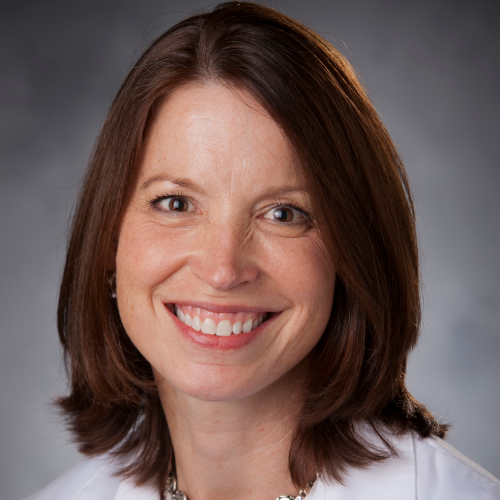
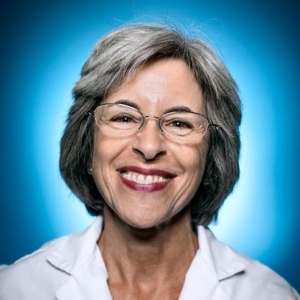
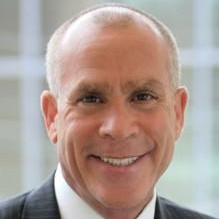
In this highly competitive marketplace, some vein practices are not only surviving, they’re thriving. VEIN caught up with three of these practices: Dr. Michael Richman in Los Angeles& Beverly Hills, Dr. Michael Leary in Newport Beach and Dr. Zachary Rattner in Del Mar & San Diego to see if each could share their thoughts on how to market a successful vein practice when faced with the daunting challenges posed by a crowded, competitive market and a down economy, where patients are scrutinizing every dollar they spend.
While these physicians share common views on what it takes to build and market a successful vein practice, they also use different strategies based on their background, marketplace and areas of expertise. Here’s a summary of some of the key marketing tools they employ and how you can apply them to your practice.
Don’t Market Unless You Are Going to Track Referrals
Drs. Richman, Leary and Rattner agree: you have to diligently track your patient referrals and find out if they are coming from other physicians, word of mouth, publicity or paid marketing efforts. And it goes beyond having patients check a box on their patient intake form. Dr. Richman noted that whenever a patient checks the box showing they were referred by another physician, he always asks for the physician’s name; what’s interesting, he noted, is that sometimes he knows the referring doctor, but not always. In that case, he’ll chalk up the referral to a combination of publicity and professional referral – showing that the combination for new patients can be very powerful.
Dr. Rattner’s staff at his two San Diego offices note that asking every new patient what made them choose this practice can be time-intensive, but it’s key. They acknowledge that without good information on how these patients got to their office, they can’t measure the return on investment (ROI) on their marketing dollars. The front office is trained to check and confirm that the referral question is answered both when new patients call to set appointments and when they hand in their paperwork.
Build a Vibrant Physician Network
The doctors also agree that a critical ingredient to building a vein practice is a solid referral network with other local physicians. Dr. Rattner states, “There is no substitute for developing a relationship with a group of practitioners.” When asked how best to accomplish this, he added, “Build a vibrant referral network. Be a source of referrals as well as the recipient. The best way to do this is make a concerted effort to send other doctors patients too.”
In Los Angeles, Dr. Richman started his vein practice after he had a well-established, highly regarded cholesterol practice. He believes that he has built a crossover referral base from those physicians who know of his cholesterol practice, as well as from patients who know of his multiple areas of expertise. He states, “One hundred percent of my referrals are from word of mouth (physician and patient referrals) and the internet.”
Dr. Michael Leary comments that “in the long run, they (other physicians) are your best referral source.” His approach entails education of local physicians who may not be up-todate on current vein treatments. He states, “Many physicians, including family practitioners and internists, are not aware of some of the newer, non-invasive procedures to treat venous disease. So a good starting point is to educate your peers, through short educational seminars and grand rounds.” Dr. Rattner notes another professional resource for new patients is podiatrists. “They are an excellent referral source and very helpful to us in the treatment of wound healing.”
Know Your Niche and How to Maximize It
With many different specialists offering some type of vein treatments, the choice for a new patient can be particularly confusing. For that reason, it’s important to figure out what your niche is – is it a particular expertise, service level/ accessibility or a convenient, spa-like office setting? When you know what makes you different from other physicians offering vein treatments in your community, it’s easy to figure out what you want to promote – in ads, community outreach, speaking opportunities, the web and whichever other marketing tactics you choose.
For Dr. Rattner, a focus on patients with disease recurrence or previous treatment failures has been critical to growing his practice in the current economic climate. As one of only a select number of physicians nationwide offering Fluoroscopic Assisted Sotradecol Embolization (FASTE) techniques to complex patients with bulging veins, he has been able to attract patients throughout San Diego county, some of whom come to him with failed results from prior treatments. He has presented his findings at the recent Society for Interventional Radiology (SIR) meeting and is also using dramatic “before” and “after” pictures on his website and in print ads to promote this expertise.
In Dr. Leary’s case, he moved his office two hours west from Palm Desert to Newport Beach and found himself offering the same comprehensive vein services in a vastly different environment. Patients were younger, most selfconscious and more demanding. “Things that worked there (in Palm Desert) just did not work here in Orange County,” Leary notes. “One example was a thirty minute infomercial that had a great return in the desert but flopped here. You have to experiment to see what will work in your particular area.”
Dr. Richman, a vascular surgeon, believes his expertise in cholesterol has given him a great foundation for consumer recognition and patient trust in the LA area. He’s a big believer in being accessible to patients, and always takes patient calls at any time of day or night. As a result, he has patients that will drive an hour-plus from Orange County or northern LA County to see him. On the advertising side, he gets patients committed to follow-through on a treatment series, and manages patient expectations such that they don’t expect results after a single sclerotherapy treatment. For example, he offers a set sclerotherapy price package for the year – with no limit to the number of treatments in that 12 month period. And it works – his patients pay up front, come back for follow-up treatments because they have made the investment, and are satisfied with the results achieved in that one-year period.
Marketing Tactics: What Works and What Doesn’t
Direct-to-Patient Advertising: A Mixed Bag
These three physicians have had varied success with advertising. All agree that if you choose to invest advertising dollars, select a limited number of media outlets, and then give the ad campaign time to work – even if the dollars are adding up before you see a bump in new patients.
Dr. Leary states, “Stick with an ad long enough to get that critical exposure. If you run an ad in the newspaper, it has to be seen many times before you get a response. In the beginning, it’s important to budget enough money for a particular ad so that is has a long run. Be patient; this is a hard lesson to learn and I learned it the hard way.” He added that if you don’t stick with a single ad campaign long enough, you’ll try a new media, not give that enough time to work, spend more money and be frustrated with the results.
For the content of the ads, impact is key. Dr. Rattner’s print advertising campaign uses graphic “before” and “after” pictures which portray powerful results from complex cases. Dr. Leary adds, “Make sure that they are honest, tasteful and tell a great story.”
Each state’s Medical Boards have regulations governing physician advertising. It’s wise to review the rules or work with an experienced physician practice marketing professional before you mbark on an ad campaign.
The Power of The Internet
In this era of instant information, vein physicians can’t ignore the power of the internet. Develop a clear, impactful web site that lets potential patients and referring physicians check you out online. Define the services you offer, provide a concise bio that accurately portrays your credentials, and highlight any specific treatments, skills or services that set your practice apart from the local competition. Hire a web designer to build and design your site AND make sure you have a resource–either internal or external—to manage and update your website frequently. Choose your designer and web master carefully; the return will be well worth the investment.
Online vein physician network services have generated significant results for Drs. Richman and Leary. Dr. Richman specifically points to VeinDirectory. He notes,“VeinDirectory is the most helpful and a great source of new patients. The reporting information shows you how many people click on your site each month and is confirmation that it works.” Dr. Leary adds, VeinDirectory has been a great source of referrals and I highly recommend them; it’s a good starting place when you have a limited budget.”
Stay on top of current trends to tap into new patients. Dr. Rattner is using social networking tools such as Facebook and Twitter to gain added visibility with potential patients. The web can also be a great vehicle to portray your unique expertise through third-party medical sites. Dr. Richman believes that his exposure on WebMD as a cholesterol expert has helped fuel his regional name recognition and brought more patients to seek out services at his two vein locations.
Other Strategies: Community Outreach and Dedicated Marketers
The three doctors have experimented with a number of outreach strategies to draw more interest and ultimately patients to their practices.
According to Dr. Richman, free vein screenings at the local YMCA and area fitness centers have yielded just a smattering of patients. Why? “Our market is really crowded here in LA,” Dr. Richman states. “There are so many doctors offering these services, so much confusion.” While open houses in Dr. Rattner’s San Diego offices haven’t generated great results, he has in fact had success with free screenings for peripheral artery disease and peripheral vein disease, using his expertise as an interventional radiologist to draw patients to these programs.
Another marketing tactic shared by two of these physicians is to devote staff, as well as media dollars, to the marketing budget. Both Dr. Leary and Dr. Rattner have employed full time staff who develop, implement and monitor which tactics work and which don’t yield the desired new patient results. Dr. Leary’s practice manager handles all of the staffing and manages the marketing as well. For Dr Rattner, his full-time marketer is dedicated to building new patient volume at both of his offices and does not have staff oversight responsibility. And on the flip side, Dr. Richman refers to make all the marketing decisions himself, working directly with radio and print media to handle both advertising and more importantly, publicity opportunities for his practice.
In the end, hiring a marketing or practice manager is a choice – based on the resources you have to devote to marketing your practice – both in terms of dollars and time.
Once You’ve Got Them, Keep Them Happy
Of course, getting new patients in the office door is just one piece of the marketing equation. It’s imperative that once you’ve attracted new patients, your office works to keep those patients happy. If they are, you’ll see compounded benefits in your practice – through patients that return to continue their treatments to a successful outcome and equally important, with new patients that come to you through word-of-mouth referrals.
All three physicians agree on a key element of patient satisfaction for the venous patient: set realistic expectations. Regardless of the treatment selected, perfection in vein treatment results is an ideal that can rarely be attained. Complete elimination of spider veins may not be feasible, but helping a patient with extreme varicosities to alleviate pain and sleep through the night is certainly achievable.
Dr. Richman believes his phone accessibility and devoted focus to patient satisfaction is the key to his growing practice. The phrase he learned in heart surgery is one that he employs every day in his vein practice, to be “amiable, affable and available.”
No Cookie Cutter Solutions
What’s clear is there is no single, turn-key approach that is going to be successful for every vein practice in every city. Your marketing strategy must be tailored to your specific expertise, your geographic market, your track record and your budget. The clear take away from Drs. Leary, Rattner and Richman is four-fold: figure out what you do best; promote your competitive advantage in a consistent way that’s resource-efficient; measure your results to see what works; and keep those new patients happy and satisfied with your ongoing care. While there certainly are
no cookie cutter solutions, these core strategies can be the building blocks to develop, expand and retain a thriving vein practice.